Shoulder-Season Hiking in the Dolomites: What to Expect in October
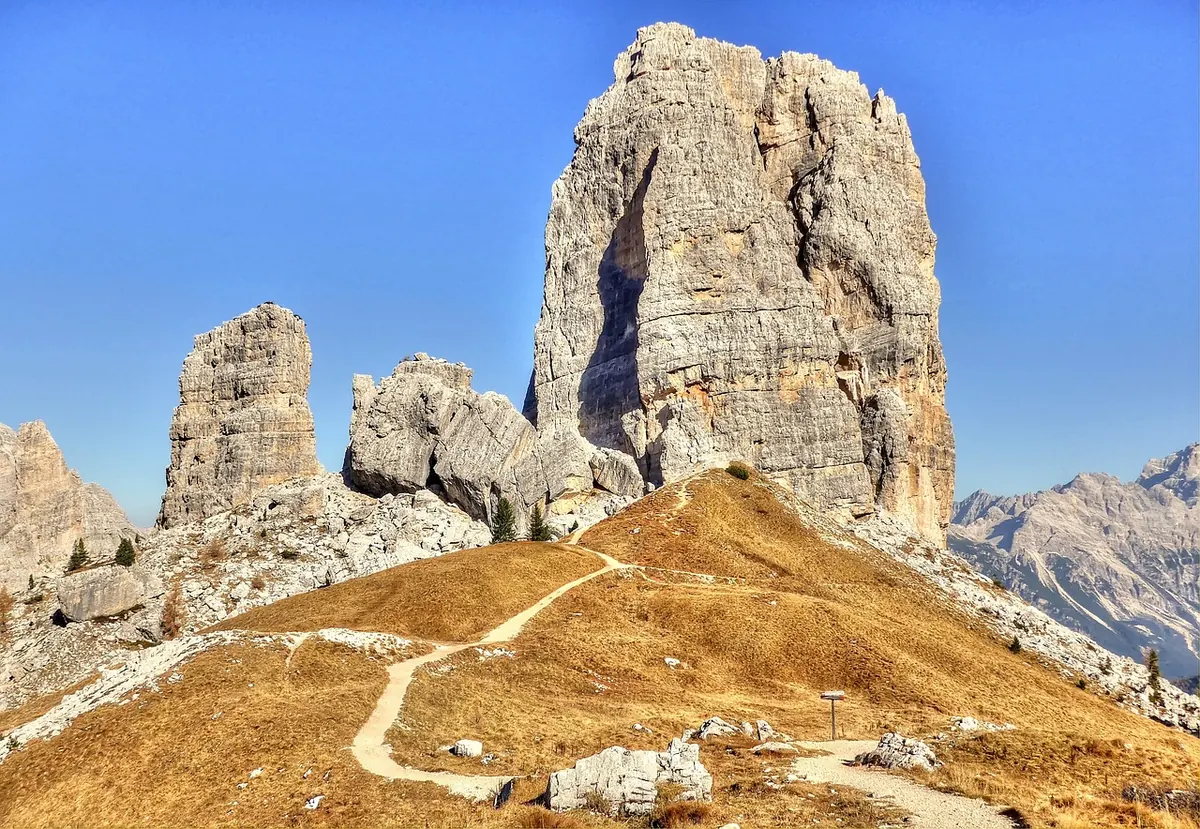
You can stand in Cortina at midday in a T-shirt, look up at the Cristallo, and see the north face wearing a fresh white coat. That contrast is October in the Dolomites. The valleys are still golden and warm; the high ground has already moved on to winter. It is one of the best months of the year to walk here, and one of the least forgiving if you arrive with a July mindset. Lifts stop, rifugi lock their doors, trails above a certain height stop being hikes and start being mountaineering. None of that should put you off. It should just change what you pack and how you plan your days.
Weather That Changes Its Mind
Treat October as two seasons stacked on top of each other. In the valleys and on south-facing slopes, daytime temperatures can still reach the high teens, and lunch outside in a down jacket feels ridiculous by two in the afternoon. Up at 2,500 metres, the same day might sit a few degrees above freezing with a wind that makes it feel much colder. Add a metre of fresh snow at altitude and the picture changes again.
Rain is more likely than summer thunderstorms, and it often falls as snow above roughly 2,000 to 2,400 metres — a rough line, not a rule, and it moves from storm to storm. Some of that snow melts within a day; some of it settles in for the season on shaded faces. Valleys can be filled with fog in the morning while the peaks sit above it in clear sun, which makes early starts feel like a lottery until you learn to read the sky.
October rarely ruins a plan outright. It just asks you to keep two versions of it.
The practical consequence: check the forecast the evening before and again at breakfast, and build in a low-altitude alternative for every high route you choose. A day that starts cloudy in Ortisei may be perfect by eleven, and a clear morning at Passo Pordoi can close in fast after lunch.
What's Actually Open: Huts, Lifts and Buses
This is where most October disappointments come from. The Dolomites run on a seasonal rhythm, and the shoulder month is when everything quietly packs up.
Huts close in waves
Most rifugi shut between mid-September and mid-October. A handful stay open later — especially those at lower altitude, those reachable by road, and a few that keep weekend hours into late October. Some, but certainly not all, leave a winter room unlocked; it is not a plan you should build a day around. Check the hut's own website or social page rather than a general trail app, and check it close to your trip. Closing dates shift with the weather and with staffing.
When a hut is shut, it is properly shut: no coffee, no soup, and often no water tap. Carry more water and food than you would in August. On a long ridge day, that closed hut near the end of the route can be the difference between a pleasant descent and a miserable one.
Lifts and buses follow winter timetables
Summer lifts typically stop in late September or the first half of October, with a few running into early November. There is no single closing date across the region, so look up the specific lift on the operator's timetable rather than assuming. When a cable car stops, a comfortable 90-minute ascent becomes a four-hour climb, and the return leg may be the part that decides your day.
Bus services across the passes also thin out or switch to winter schedules, and some villages begin to close seasonal hotels and restaurants from late October. If you depend on public transport, build your itinerary around the confirmed timetable, not the summer one you remember.
Choosing Trails When There's Snow Above
Aspect matters more in October than at any other time of year. South-facing slopes clear quickly and dry out; north-facing gullies and shaded ledges can hold ice well into the afternoon. A route you walked in September in boots can require an axe and crampons in the same month — or simply a different route.
As a rule of thumb, keep the bulk of your walking below 2,200 metres unless conditions are clearly settled, and be honest about what happens if you have to turn around. Ridge routes, exposed traverses and anything involving scrambling are poor choices after fresh snow, when freeze-thaw cycles leave rock glazed and loose.
Via ferrata deserves a specific mention. October is not the month for a first attempt unless the route is low, dry and you have proper gear including a helmet and a warm layer. Ladders and cables stay icy in shadow long after the sun has hit the faces.
Hunting season and closed paths
Autumn is hunting season across much of the Alps, and managed hunts sometimes close specific paths and forest tracks, usually signposted at the trailhead with dates. The red deer rut also makes September and early October noisier and, in some areas, restricts access. Respect closures without arguing with the sign. When walking in remote forest at dawn or dusk, wear something visible and stay on marked trails.
Also expect short-term closures for forestry work — trees felled after summer storms, tracks churned up by machinery. A plastic bag over a sign at the trailhead is the usual announcement.
The Quiet Advantage: Crowds, Light and Timing
The crowds go home in September and mostly stay home. From early October you can walk well-known routes — the Tre Cime circuit, the Alpe di Siusi, the trails around Passo Gardena — and share them with a fraction of the summer numbers. Hotel rates drop, parking is easier, and you are not queueing for a table at lunch.
The exception is a sunny autumn weekend, when locals and day-trippers from Bolzano and Trento appear in force. Book the weekends and keep the weekdays flexible if your plans allow it.
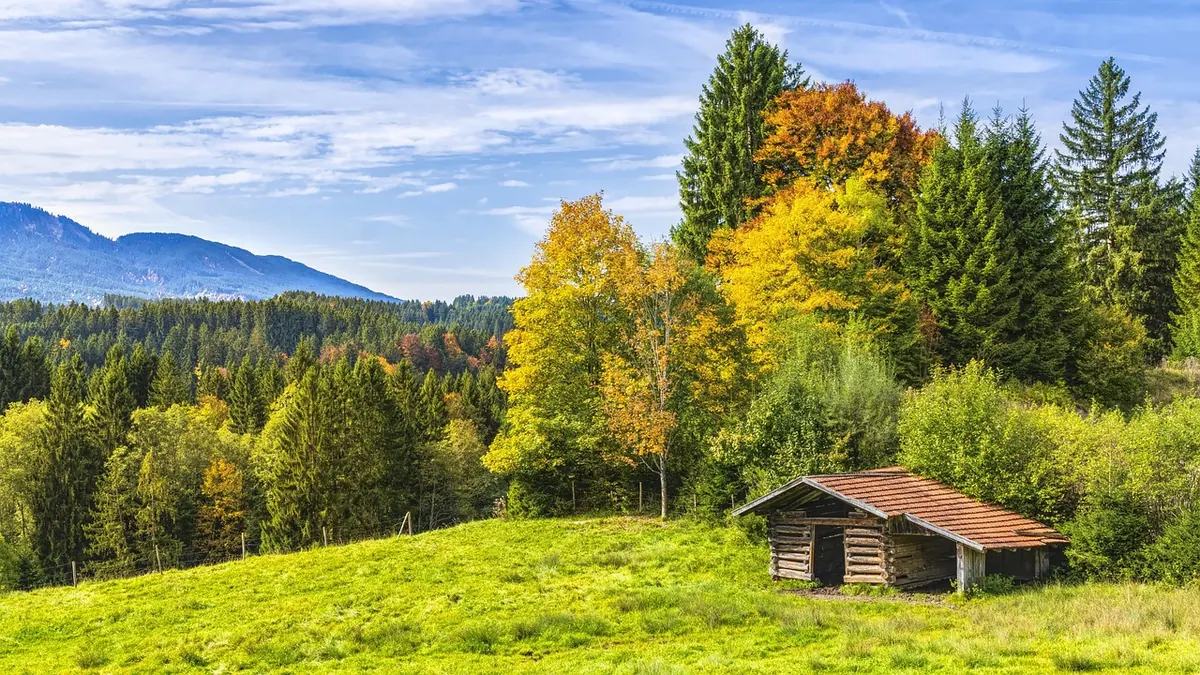
Then there is the light, which is the real reason to come. Larch turns gold from mid-October, and the bands between about 1,500 and 2,000 metres are the best place to see it. Low sun and long shadows make the rock look warm even when the air is cold. Valley fog creates inversions where you climb out of grey murk into brilliant sunshine and spend the day above a sea of cloud.
The trade-off is daylight. Sunset slides from around seven in the evening at the start of the month to roughly five by the end, once the clocks go back. Plan routes that finish by four, carry a headlamp as standard, and don't rely on the long summer evenings you had in mind when you booked.
Gear and Daily Rhythm
Pack for a three-season hill day with a winter edge. You will overheat on the climb and freeze at the snack stop, so layers matter more than any single item.
- Waterproof shell and a warm mid-layer, plus a thin hat and gloves you can dig out without stopping for long.
- Boots with a real sole: wet roots, mud and old snow patches are the October trio.
- Microspikes or light crampons if you intend to cross anything above 2,300 metres in uncertain conditions.
- Headlamp, even on a day you expect to be back by three.
- More food and water than the distance suggests, because huts and fountains may be closed.
- Offline maps or a paper map: signage is good, but snow-covered junction posts are not.
- Cash for the few huts still open, and a warm dry layer left in the car or valley hotel.
A sensible October rhythm is to start early, take the high section before midday while the snow is still firm and the fog has lifted, and be descending by mid-afternoon. Eat lunch early, keep the breaks short, and treat a 5 pm arrival back at the road as late rather than normal.
A Practical October Checklist
Before you commit to a route, run through four questions. Is the forecast settled enough for the altitude you want? Is the hut you are counting on actually open, and if not, does your plan still work without it? Is the snowline above or below the highest point of your route? And does the daylight allow for a slower pace on icy ground?
Build a flexible itinerary with a high day and a valley day for each part of your trip, and know the turning points on any exposed section before you set off. Bring a map, carry a headlamp, respect hunting and forestry closures, and assume the high ground is colder and snowier than the forecast suggests.
Do all that and October gives you something the summer can't: silence on famous trails, gold larch, and peaks with their first snow. If you are heading out on more technical ground, or have any health concerns about cold exposure at altitude, take advice from a qualified guide or your doctor before you go.
Photo: kordi_vahle / Pixabay