How to Choose a Campsite for a Quiet Night Outdoors
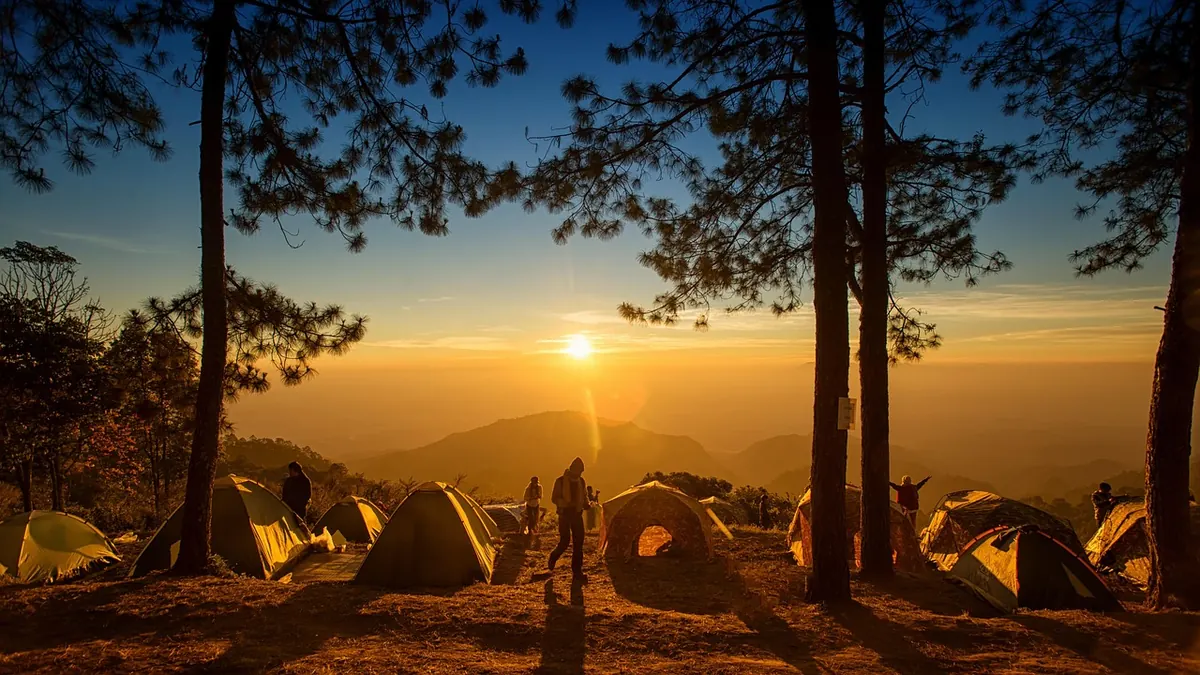
You feel a campsite before you understand it. Ten steps off the trail the ground goes from firm to soft, the air turns a degree cooler, and somewhere below the ridge a stream you cannot see is talking. That is the moment to stop and pay attention, because the spot you choose in the last half hour of daylight decides how the next twelve hours will go.
Picking a pitch is not about the best view. It is about a short list of physical facts — where water goes, where wind goes, where the sun arrives first — plus a few habits that keep you from loving a place to death. Here is how to read a site properly.
Look at the Ground Before You Look at the View
Drainage is the first question, and the answer is usually written in the plants. Ferns, sedges, moss, and dark clustering grasses mean water sits there. So does ground that feels springy under a boot. So does a patch where the pine duff has gone black and matted. Flat basins, meadow bottoms, and anything that looks like a shallow bowl will collect rain and hold it.
Aim for a gentle slope with soil that drains — gravel, sand, coarse duff, or a slight rise above the surrounding ground. A perfectly level pitch is a wonderful thing in dry weather and a shallow swimming pool in a downpour. A five-degree tilt is easy to sleep on; just lie down and check which way your feet point.
Two things to rule out immediately:
- Dry creek beds and gullies. They are dry for a reason, and rain can fall hours away and arrive without warning.
- Frost hollows. Cold air drains downhill and pools in low, enclosed spots. On a clear night they can be several degrees colder than a pitch fifty metres up the slope.
If you are unsure, press a knee into the ground for a count of ten and dig a small test hole. If water seeps in, keep walking. Fill the hole back in when you leave.
Read the Wind Before You Unpack
Wind is the difference between a calm night and a tent that flaps like a flag all night. You do not need a forecast to see it. Look at how the trees have grown: branches pruned short on one side, trunks leaning, grass combed in a consistent direction. That tells you the prevailing wind.
Good shelter is partial, not total. A rock outcrop, a dense clump of shrubs, or a stand of trees on the windward side will break the worst of it while still letting air move through. Total shelter has costs: condensation inside the tent, dew that never dries, and, in summer, a pocket of still air where mosquitoes gather.
Avoid saddles, passes, and exposed ridge crests — natural funnels where wind accelerates. Also skip the single tallest tree in the area, which is exactly where you do not want to be in a storm. And if the evening is hot and buggy, remember that a light breeze is your friend; a site with no air movement at all can be worse than a slightly exposed one.
Privacy Without Trampling the Place
Quiet is partly acoustics and partly distance. Where rules allow dispersed camping, keep well away from water sources, trails, and other parties — a common guideline is at least sixty metres (about two hundred feet) from lakes and streams, and similar spacing from the trail. Check what applies where you are; regulations vary by area and land manager, and a ranger station or park website is the place to confirm.
Where designated sites exist, use them. A beaten patch of ground absorbs your visit; fresh ground does not. If you are choosing your own pitch, look for an already-cleared spot on a durable surface — rock, gravel, dry grass, or forest floor — rather than crushing a patch of fragile alpine plants or a young seedling.
Keep your footprint narrow. Do not clear stones, cut branches, or dig trenches around the tent. Put your kitchen on a durable surface and keep gear inside the tent or on the same worn patch. Arriving tired is when people spread out, and spreading out is what turns one campsite into five.
One quiet courtesy worth practising: if a spot is already taken, keep moving. Two groups sharing a small clearing usually means two groups listening to each other's zippers and conversations until late. Sound travels much further at night than people expect.
Where Will the Sun Land in the Morning?
Morning sun is the most underrated factor in campsite choice. It dries condensation off the tent, warms you while you pack, and turns a cold, damp start into a pleasant one. Look east. Is there a gap in the trees, a low shoulder of hill, an open edge to the clearing? A pitch with a clear eastern horizon will be bright an hour earlier than one tucked under a ridge.
The trade-off is comfort in the evening. A west-facing site gets the last light and often the day's stored heat, which is welcome in cool weather and unwelcome in a summer heatwave. On hot trips, favour shade for the late morning; in shoulder season, favour warmth and early light.
Also notice what is directly above you. Sun on a tent at seven in the morning is a gift; sun on a tent at seven in the morning with a dead branch hanging over it is a reason to move.
Check What You Cannot See at Dusk
Do a slow circle around the pitch before you commit. It takes two minutes and catches most of the things that ruin nights.
- Look up. Dead limbs, hanging branches, loose rock. Anything that could fall in wind.
- Look down and around the edges. Ant nests, wasp nests at ground level, animal burrows, poison ivy, thick tick-friendly grass.
- Find the animal trails. Worn paths crossing your clearing will be busy at dawn. Camp beside them, not on them.
- Listen for a full minute. Road noise, generators, a loud stream, distant voices. Decide whether those sounds will soothe you or keep you awake.
- Check the distance from the trailhead. Sound carries uphill and along water. A site that felt remote at four in the afternoon can be a highway of headlamps at ten at night.
Water noise is a personal matter. Some people sleep beautifully beside a rushing stream; others find it masks the sounds they want to hear and keeps them alert. Be honest about which camper you are.
Small Habits That Keep the Night Quiet
Once you have chosen well, a few routines protect the calm. Arrive with enough daylight to walk the site properly and to cook before dark — most camp noise comes from people setting up with a headlamp and hunting for a stove. Keep voices low after dusk, and use the red setting on your lamp when others are nearby. Eat, tidy, and store food according to local wildlife guidance, which you should confirm before you travel; the rules exist to keep animals wild and campers safe.
Pack out everything you brought, including crumbs and scraps, and leave the clearing looking as though nobody slept there. Do not build a fire ring in a pristine spot; use an established one or a stove. Fill in any test holes, and scatter the flattened grass with a boot if you camped on vegetation.
The best campsites are not the ones with the widest view or the flattest ground. They are the ones where the ground drains, the wind is broken on one side, the sun arrives at a civilised hour, and your tent is the only evidence you were there. Choose for the morning, and the night tends to take care of itself.
Photo: chanwity / Pixabay